illite powder
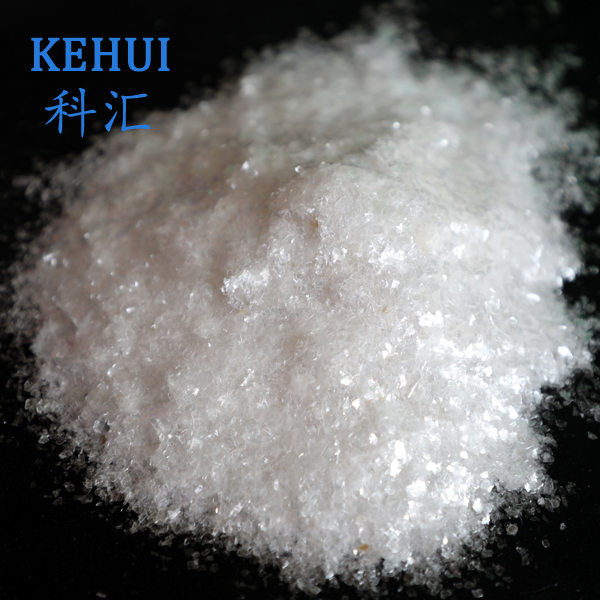
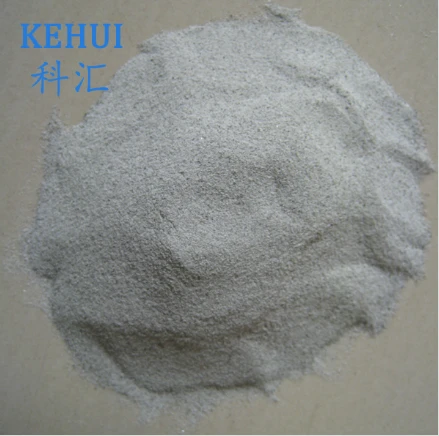
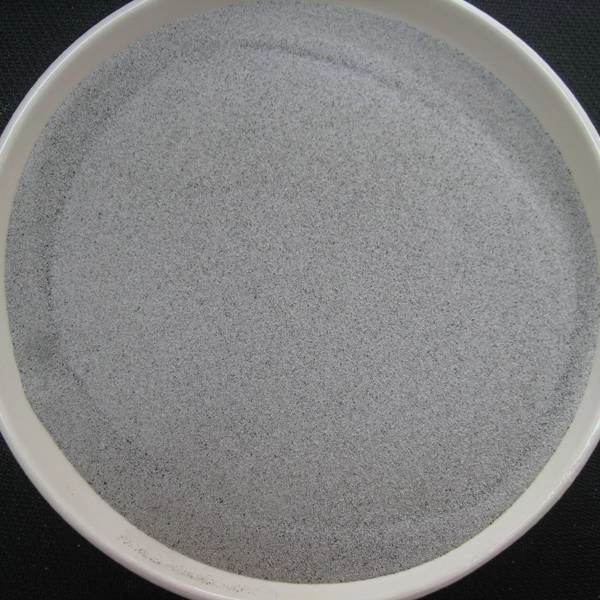
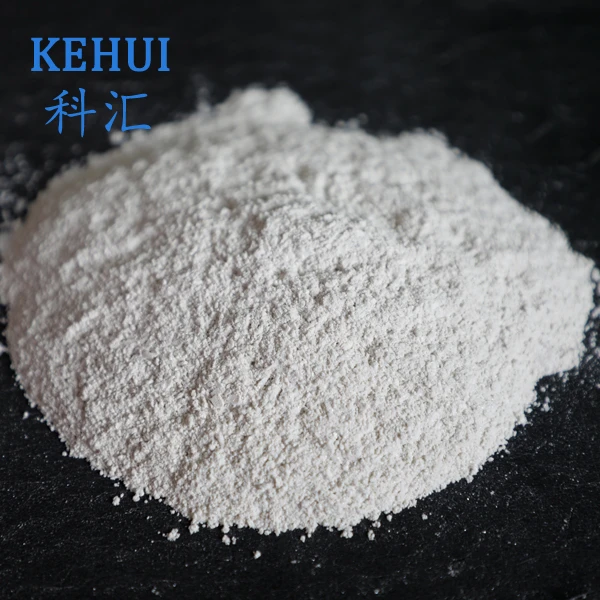
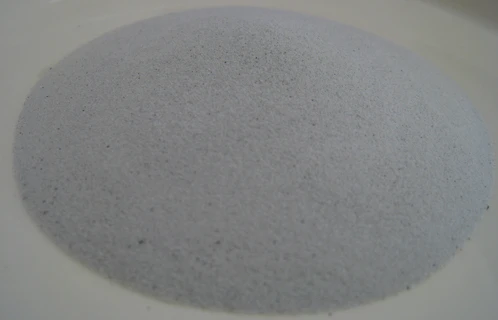
Introduction to Advanced Illite Powder Formulations Illite, a common clay mineral, is a critical component in numerous industrial applications due to its unique layered structure, high cation exchange capacity (CEC), and thermal stability. In today's highly specialized manufacturing landscape, the demand for different specifications Illite powder is accelerating. This demand is driven by the need for tailored solutions that meet stringent performance requirements across diverse sectors, from advanced ceramics and coatings to oil and gas exploration and environmental remediation. Understanding the nuanced technical parameters and application-specific advantages of various illite powder grades is paramount for B2B decision-makers seeking optimal material performance and cost-effectiveness. This article delves into the intricate world of specialized illite powders, exploring their manufacturing processes, key technical specifications, burgeoning industry trends, and diverse application scenarios. We will also examine the competitive landscape, highlight the benefits of customized solutions, and present real-world case studies to underscore the material's transformative potential. Our objective is to provide a comprehensive, technical overview that empowers engineers and procurement specialists to make informed decisions regarding illite powder selection and deployment. Manufacturing Process of Different Specifications Illite Powder The production of high-performance different specifications Illite powder is a meticulous process, requiring precise control over raw material sourcing, beneficiation, milling, and classification. The goal is to achieve specific particle size distributions, chemical purities, and morphological characteristics that dictate the final product's performance. Schematic Process Flow: Raw Material Sourcing: High-purity illite-rich clay deposits are identified and extracted. Quality control starts here, with mineralogical analysis to ensure minimal contaminants and consistent illite content. Crushing & Pre-Grinding: The extracted raw ore undergoes initial crushing to reduce particle size, followed by pre-grinding in jaw crushers or hammer mills to prepare it for finer processing. Wet Milling / Slurry Preparation: For many industrial applications, illite is processed in a wet environment. The pre-ground material is mixed with water to form a slurry. This stage can involve ball mills or agitated media mills to achieve a preliminary particle size reduction and facilitate subsequent purification steps. Beneficiation & Purification: This critical phase involves removing impurities such as quartz, feldspar, and other unwanted minerals. Techniques include flotation, hydrocyclone separation, magnetic separation, and chemical leaching. The specific method depends on the desired purity level and the nature of the contaminants. Dewatering & Drying: The purified illite slurry is dewatered using filter presses or centrifuges, followed by drying in rotary dryers, spray dryers, or flash dryers. The drying temperature and duration are carefully controlled to prevent mineral alteration and maintain desired structural properties. Fine Grinding & Micronization: The dried illite cake is then subjected to fine grinding using air jet mills, roller mills, or impact mills to achieve the specified particle size distribution (e.g., D50 values ranging from sub-micron to tens of microns). This process is crucial for determining rheological properties and surface area. Classification & Sieving: Air classifiers or advanced sieving equipment are used to precisely separate particles into distinct size fractions, ensuring the final product meets the exact specifications for fineness and uniformity. This step is key to producing different specifications Illite powder . Quality Control & Packaging: Throughout the process, rigorous testing is conducted, including X-ray diffraction (XRD) for mineralogical composition, scanning electron microscopy (SEM) for morphology, laser diffraction for particle size analysis, and chemical analysis (XRF) for elemental purity. Products are then packaged in moisture-proof bags or bulk container111s. Testing Standards & Target Industries: Our products adhere to international testing standards such as ISO 9001 for quality management, ASTM standards for material testing, and REACH compliance for chemical registration, ensuring global applicability and reliability. Target industries benefiting from our specialized illite powders include: Petrochemical: As a drilling fluid additive, catalyst support, or proppant. Metallurgy: For foundry applications, refractory materials, and binding agents. Water Supply & Drainage: As an adsorbent for heavy metals and organic pollutants in water treatment. Ceramics & Building Materials: For improved plasticity, strength, and thermal properties in tiles, bricks, and cement. Paints & Coatings: As a rheology modifier, matting agent, and extender. Plastics & Rubber: As a filler to enhance mechanical strength and dimensional stability. Advantages in typical application scenarios include enhanced energy saving through improved insulation, superior corrosion resistance in protective coatings, and increased material longevity in high-stress environments. Industry Trends and Market Dynamics The global market for industrial minerals, including illite, is experiencing dynamic shifts. Key trends include a heightened focus on sustainability, with demand for naturally abundant and environmentally benign materials. Illite, being a naturally occurring phyllosilicate, fits this criterion perfectly. Furthermore, the push towards performance-enhancing additives in high-tech manufacturing sectors is driving innovation in illite processing. There's a growing emphasis on ultrafine illite powders for applications requiring high surface area and precise rheological control, such as in advanced composite materials and sophisticated coating systems. The oil and gas industry continues to be a significant consumer, particularly for drilling mud formulations where illite's thixotropic properties and shale inhibition capabilities are highly valued. The transition towards more circular economies also positions illite as a valuable material in recycling and waste treatment processes, particularly as an adsorbent. Market analyses project sustained growth, with a compound annual growth rate (CAGR) for industrial minerals like illite attributed to expansions in construction, infrastructure, and advanced manufacturing. Figure 1: High-purity different specifications Illite powder ready for industrial applications. Technical Specifications of Different Specifications Illite Powder The performance of illite powder is intrinsically linked to its physical and chemical properties. Below is a detailed table outlining typical specifications for various grades, demonstrating how subtle differences in processing result in distinct product applications. Typical Illite Powder Product Specifications Property Grade A (Coarse) Grade B (Fine) Grade C (Ultrafine) Illite Content (XRD) >85% >90% >95% D50 Particle Size (µm) 20-40 5-15 0.8-3 D90 Particle Size (µm) <80 <30 <7 Specific Surface Area (BET, m²/g) 5-10 15-25 30-50 Cation Exchange Capacity (CEC, meq/100g) 15-25 20-30 25-35 Moisture Content (%) <0.5 <0.5 <0.5 pH (10% slurry) 7.0-8.5 7.0-8.5 7.0-8.5 Loss on Ignition (LOI, 1000°C, %) 4-6 4-6 4-6 Chemical Composition (Typical, wt%): SiO₂: 55-65%, Al₂O₃: 20-30%, K₂O: 4-7%, Fe₂O₃: 1-3%, MgO: 1-2%, CaO: 0.5-1.5%, TiO₂: 0.2-0.8%. These specifications highlight how particle size and purity are tailored for different end-uses. For instance, the higher specific surface area of Grade C makes it ideal for catalytic applications and fine coatings, while Grade A's larger particle size might be preferred for refractories or less demanding filler applications. Application Scenarios and Technical Advantages The versatility of different specifications Illite powder allows its integration into a wide array of industrial processes. Its inherent properties provide significant technical advantages. Drilling Fluids (Oil & Gas): Illite is a superior rheology modifier and fluid loss control agent in drilling muds. Its platy morphology helps to build a low-permeability filter cake, preventing formation damage. The high thermal stability of illite (up to 600°C) allows its use in deep, high-temperature, high-pressure (HTHP) wells, where other clays might degrade. This directly translates to reduced non-productive time (NPT) and improved drilling efficiency, offering substantial energy saving in operations. Ceramics & Refractories: In ceramic bodies and refractory compositions, illite imparts excellent plasticity during forming, improves dry strength, and contributes to dimensional stability during firing. Its moderate fluxing action reduces firing temperatures while enhancing the final product's mechanical strength and resistance to thermal shock. For instance, in porcelain tile production, incorporating illite can reduce energy consumption by lowering the required firing temperature by 20-30°C. Paints & Coatings: As an extender and functional filler, fine illite powder improves film integrity, acts as a rheology modifier to prevent sagging, and enhances scrub resistance. Its inertness contributes to superior corrosion resistance in protective coatings, particularly in anti-corrosion primers for marine or industrial applications, extending the service life of coated assets significantly. Water Treatment: The high CEC and layered structure of illite make it an effective adsorbent for heavy metal ions (e.g., Pb²⁺, Cd²⁺) and certain organic pollutants in wastewater treatment. It offers a cost-effective and environmentally friendly alternative to synthetic adsorbents, aiding in compliance with stringent discharge regulations. Plastics & Rubber: As a functional filler, illite enhances the mechanical properties of polymers, including tensile strength, flexural modulus, and impact resistance. Its reinforcing capabilities can extend the service life of plastic components and reduce material consumption by allowing for thinner designs without compromising structural integrity. Vendor Comparison and Competitive Edge Selecting the right supplier for different specifications Illite powder is crucial for ensuring consistent product quality and reliable supply chains. While many vendors offer illite, key differentiators often lie in raw material quality, processing technology, and commitment to customization and service. Key Vendor Comparison Parameters Parameter Our Company (Kehui Mica) Typical Competitor A Typical Competitor B Raw Material Purity & Consistency High, exclusive deposits, rigorous QC Moderate to High, variable sources Moderate, standard geological surveys Processing Technology Advanced micronization & classification, proprietary beneficiation Standard milling & classification Basic grinding methods Customization Capabilities Extensive, R&D driven, highly flexible particle size/chemistry Limited, only large volume orders Minimal, off-the-shelf products Certifications & Compliance ISO 9001, REACH, ASTM, dedicated QC lab ISO 9001 Basic internal standards Technical Support & Expertise Dedicated technical team, application engineering support Standard sales support Limited, product data sheets only Lead Time & Fulfillment Optimized supply chain, flexible lead times, global logistics Standard lead times, regional focus Longer lead times, less flexible Our company, Kehui Mica, distinguishes itself through decades of experience in mineral processing, a robust R&D infrastructure, and a steadfast commitment to quality assurance, demonstrated by our numerous certifications and long-standing partnerships with industry leaders. We prioritize understanding client-specific challenges to deliver not just a product, but a tailored material solution. Customized Solutions Recognizing that off-the-shelf solutions may not always meet the exacting demands of advanced industrial applications, we specialize in providing customized different specifications Illite powder . Our technical team works closely with clients to develop formulations tailored to specific performance criteria. This includes: Particle Size Engineering: Precision control of D50, D90, and overall particle size distribution for optimal rheology, packing density, and surface area in your matrix. Surface Modification: Applying specific surface treatments to illite particles to enhance dispersibility, compatibility with various polymer systems, or improve hydrophobicity/hydrophilicity. Purity Optimization: Tailoring the mineralogical and chemical purity levels to eliminate trace elements that could interfere with sensitive applications (e.g., electronic components, specialized catalysts). Aspect Ratio Control: Modifying processing to achieve illite particles with desired lamellarity, impacting reinforcing capabilities and barrier properties. This bespoke approach ensures that clients receive a material that integrates seamlessly into their existing processes, maximizing performance and efficiency. Application Case Studies Case Study 1: Enhanced Rheology in High-Performance Coatings A leading industrial coatings manufacturer sought to improve the anti-sag properties and pigment suspension of their high-solids epoxy coatings without increasing volatile organic compounds (VOCs). Traditional rheology modifiers either compromised film properties or were cost-prohibitive. We collaborated to develop a proprietary ultrafine illite powder with a specific aspect ratio and surface treatment. Solution: Custom-milled illite (D50 of 1.5 µm, surface-treated) Results: The addition of 3% (by weight) of the customized illite powder demonstrably improved sag resistance by 40% (measured via inclined plane method) and prevented hard settling of pigments by 95% over a 6-month storage period, validated through comprehensive internal testing. Customer feedback indicated superior application characteristics and reduced material waste during spray application, leading to a 15% reduction in overall coating material consumption for specific projects. Case Study 2: Optimized Drilling Fluid Performance in Geothermal Wells An energy company operating in challenging geothermal environments faced issues with drilling fluid stability and filter cake integrity at temperatures exceeding 250°C. Standard bentonite-based systems were prone to thermal degradation, leading to excessive fluid loss and wellbore instability. Solution: High-purity, thermally stable illite powder (Grade B with enhanced purity >92% illite content) Results: Integrated as a primary viscosifier and fluid loss control agent, the specialized illite allowed the drilling fluid to maintain stable rheological properties and achieve a low fluid loss rate (API filter press test showed <10 mL at 200°C/500 psi) even at elevated temperatures. This led to a significant reduction in drilling time by 8% and minimized non-productive time associated with wellbore stability issues, ultimately reducing operational costs by over $1M on a single deep well project. The service life of the drilling mud was extended by 30%, reducing chemical consumption. Frequently Asked Questions (FAQ) Q1: What defines the "different specifications" of Illite powder? A1: Different specifications are primarily defined by particle size distribution (e.g., D50, D90 values), mineralogical purity, specific surface area, cation exchange capacity, and sometimes by specific surface treatments. These parameters are precisely controlled during manufacturing to tailor the powder for distinct industrial applications. Q2: How does illite compare to other common clay minerals like bentonite or kaolin? A2: Illite generally exhibits higher thermal stability and lower swelling capacity compared to bentonite (a smectite clay), making it suitable for high-temperature applications. Compared to kaolin, illite often has a higher CEC and more platy morphology, which can be advantageous for rheology control and barrier properties. Its unique structure positions it as an intermediate solution, often chosen where a balance of properties is required. Q3: Is illite environmentally friendly? A3: Yes, illite is a naturally occurring mineral, non-toxic, and abundant. Its use as an adsorbent in water treatment and as a filler in various materials promotes sustainability by replacing synthetic alternatives and enhancing product longevity. We ensure all our products comply with environmental regulations like REACH. Q4: What are the typical lead times for custom orders? A4: Lead times for custom orders of different specifications Illite powder typically range from 4-8 weeks, depending on the complexity of the specification and order volume. Standard grades are usually available within 2-4 weeks. We work closely with clients to establish realistic timelines and maintain transparency throughout the fulfillment process. Lead Time & Fulfillment We operate with a highly efficient supply chain and manufacturing infrastructure to ensure timely delivery. For standard grades of illite powder, typical lead times are 2-4 weeks. For custom-engineered different specifications Illite powder , lead times may extend to 4-8 weeks, depending on the specific processing requirements and testing protocols involved. We offer various packaging options, from 25kg bags to 1-ton jumbo bags, and can arrange for global shipping via sea, air, or land freight, based on client preferences and logistical requirements. Our dedicated logistics team ensures smooth customs clearance and door-to-door delivery. Warranty Commitments and Customer Support We stand behind the quality of our different specifications Illite powder with comprehensive warranty commitments. All products are guaranteed to meet the specifications outlined in our technical data sheets and agreed-upon purchase orders. In the event of any deviation or quality concern, we commit to a thorough investigation and provide appropriate remedies, including replacement or credit, in accordance with our terms and conditions. Our customer support is an integral part of our service offering. Clients have access to a dedicated account manager and a team of technical experts who can provide: Pre-sales consultation and material selection guidance. Post-sales technical assistance and troubleshooting. Detailed product documentation, including Certificates of Analysis (CoA) and Safety Data Sheets (SDS). On-site support or virtual consultations for complex application challenges. Regular updates on product innovations and industry best practices. Our goal is to foster long-term partnerships built on trust, reliability, and unparalleled technical support. Conclusion The demand for precise and performance-driven industrial minerals dictates the need for different specifications Illite powder . As demonstrated, illite offers a diverse range of applications, from enhancing the performance of drilling fluids and ceramic bodies to improving the durability of coatings and plastics. Our commitment to advanced processing, stringent quality control, and client-centric customization positions us as a reliable partner in delivering high-value illite solutions. By leveraging our expertise and technical capabilities, B2B stakeholders can unlock superior material performance, achieve operational efficiencies, and drive innovation in their respective industries. References Grim, R. E. (1968). Clay Mineralogy (2nd ed.). McGraw-Hill. Moore, D. M., & Reynolds, R. C. (1997). X-Ray Diffraction and the Identification of Clay Minerals (2nd ed.). Oxford University Press. Murray, H. H. (2007). Applied Clay Mineralogy: Occurrences, Processing, and Applications of Kaolins, Bentonites, Palygorskite-Sepiolite, and Common Clays. Elsevier. Sheppard, M. (2003). Industrial Minerals: A Global Review. British Geological Survey. Schroeder, P. A. (2002). Illite. In J. B. Harrell (Ed.), Encyclopedia of Clay Science (pp. 531-536). Springer.
-
0 YearEstablished in 1997
-
0Celia Mica Produced
-
0 ㎡Factory Floor Area
APPLICATION
-

-
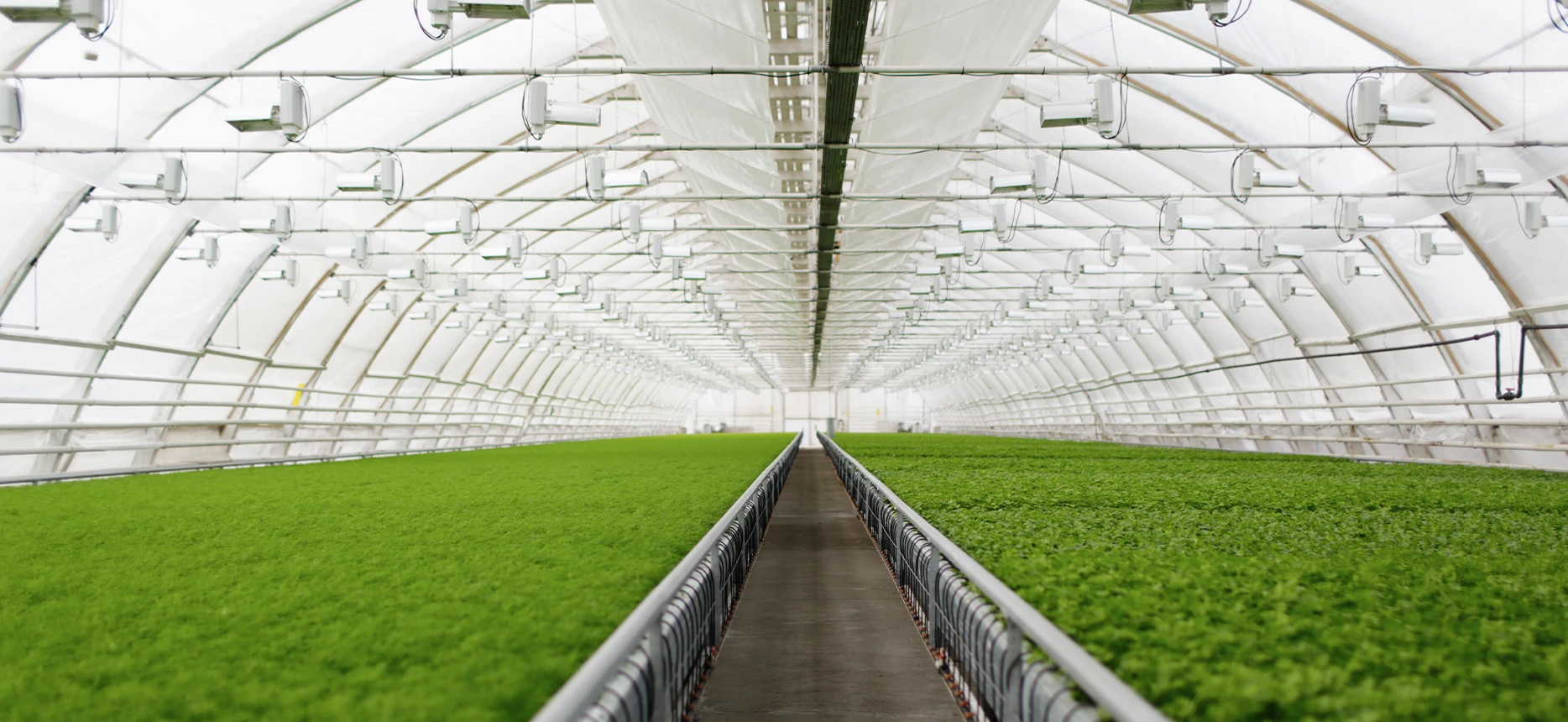
ApplicationHydroponics GardeningGrowing Mediums Gardening &Horticulture Hydroponics&Aquaponics Agricultur al&Greenhouse
-

-
ApplicationHydroponics GardeningGrowing Mediums Gardening &Horticulture Hydroponics&Aquaponics Agricultur al&Greenhouse
 Industrial
Minerals
Industrial
Minerals
 Hydroponics
Gardening
Hydroponics
Gardening